
.png)




2023-04-04
At present, there are nearly 7,000 rare diseases known in the world, accounting for about 10% of human diseases. 80% are caused by genetic defects and are hereditary. The treatment of rare diseases on a global scale is facing the dilemma of difficult diagnosis, huge treatment costs, and backward drug development. There are more than 20 million patients with rare diseases in China, and more than 200,000 new patients with rare diseases are born every year.
What is a rare disease
Rare diseases are a large group of rare diseases with a very low incidence rate. They are generally chronic and severe diseases, often life-threatening, also known as orphan diseases.
The International Rare Disease Day was initiated and organized by the European Organization for Rare Diseases (EURODIS) on February 29, 2008 and organized the first International Rare Disease Day. The first commemorative activities of International Rare Disease Day were successfully held in various European countries, and the social awareness of rare diseases was promoted through various activities. On February 28, 2009, rare disease organizations from more than 30 countries including Europe, North America, and Latin America participated in the activities of the second International Rare Disease Day. International Day of Rare Diseases.
Common types of rare diseases
Albinism(Moon Children) : Moonlight-white hair and skin make them easily sunburned, and moonlit nights are their paradise. People with albinism are afraid of the sun and are prone to sunburn, so they seldom go out outdoors during the day when the sun is strong, and they feel free only at night when there is a moon, so people affectionately call them "moon children".
Phenylketonuria(Children who do not eat fireworks on earth) : This is a group of children who do not eat fireworks on earth. They have never tasted meat, eggs, and milk, which are our favorite foods, since they were born. At present, the treatment of PKU is mostly based on diet therapy, and a normal life is ensured by ingesting special phenylalanine-free food for treatment.
Hemophilia: They are made of glass, and every bump and trauma is a great danger to them. Patients need to use clotting factors for life to maintain their lives, but preventive treatment can make children with hemophilia grow up healthily like normal children.
Spinal muscular atrophy(SMA), progressive muscular dystrophy, ALS, Prader-Willi syndrome, thalassemia major, Marfan syndrome, Huntington's disease, galactosemia, amyotrophic lateral sclerosis ( ALS), ankylosing spondylitis, Gaucher disease, congenital deafness, epidermolysis bullosa, idiopathic pulmonary hypertension, lymphangioleiomyomatosis, pneumothorax and chylothorax, etc.
How to Prevent Rare Diseases
1. Firstly, carry out genetic counseling for family members, use corresponding detection technology to determine the cause of gene mutation, clarify the genetic mode and family carriers, and then conduct risk assessment for the recurrence of fetal genetic diseases, so as to choose the appropriate pregnancy method and prenatal diagnosis method.
2. For high-risk groups, such as one of the couples is a patient, or has given birth to a child with a genetic disease, or is a carrier of a certain genetic disease. High-risk groups need to do genetic testing of villi or amniotic fluid during pregnancy, and whether they have the disease after birth can be judged during the fetal period.
3. Through early diagnosis and intervention after birth, take timely and effective targeted treatment measures to reduce damage, avoid aggravation of the disease, and keep patients in a healthy state.
Prenatal diagnosis of rare diseases
According to the three-level prevention strategy of birth defects, relevant physical examination and genetic counseling should be done before pregnancy; prenatal screening and diagnosis should be done during pregnancy; newborn screening and diagnosis should be done after delivery.
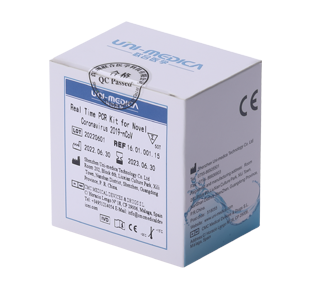
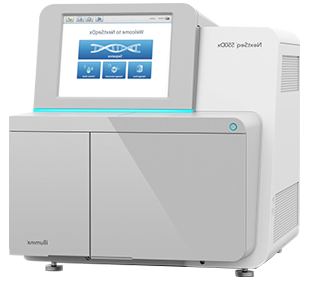
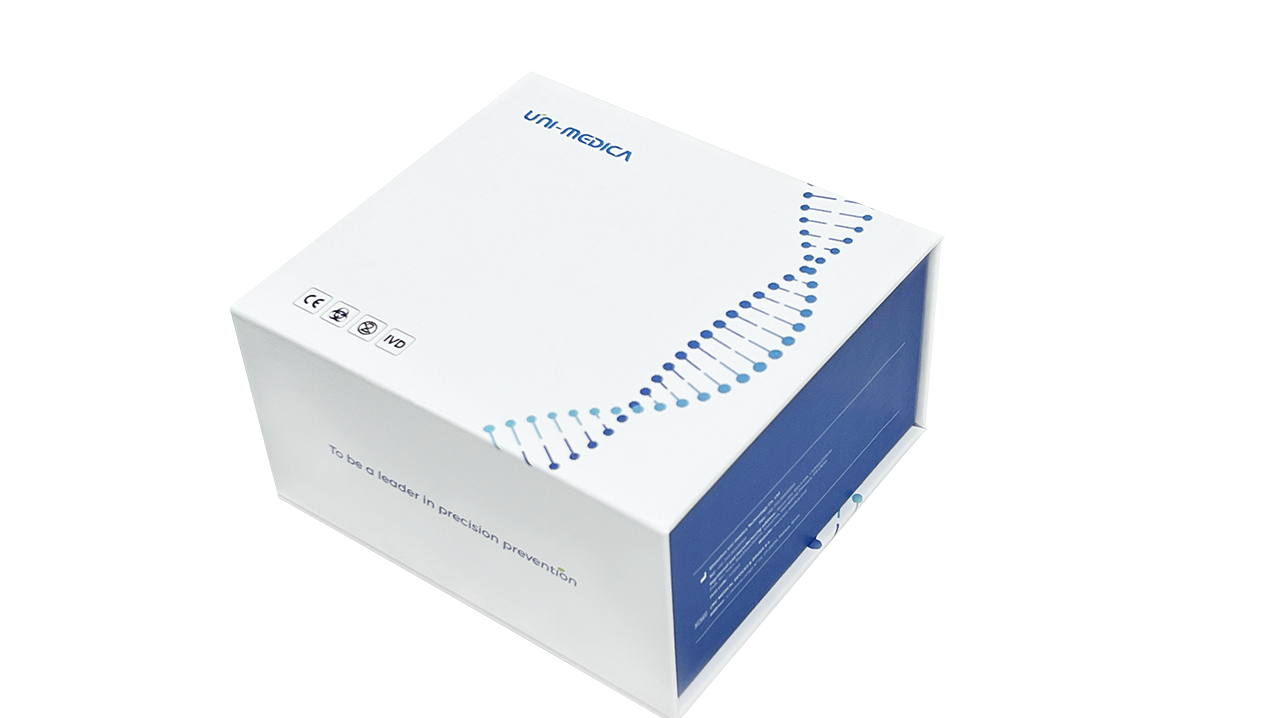
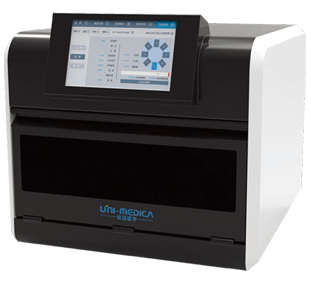
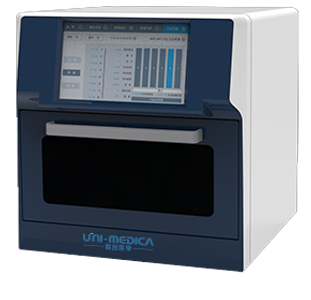
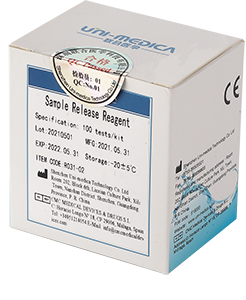
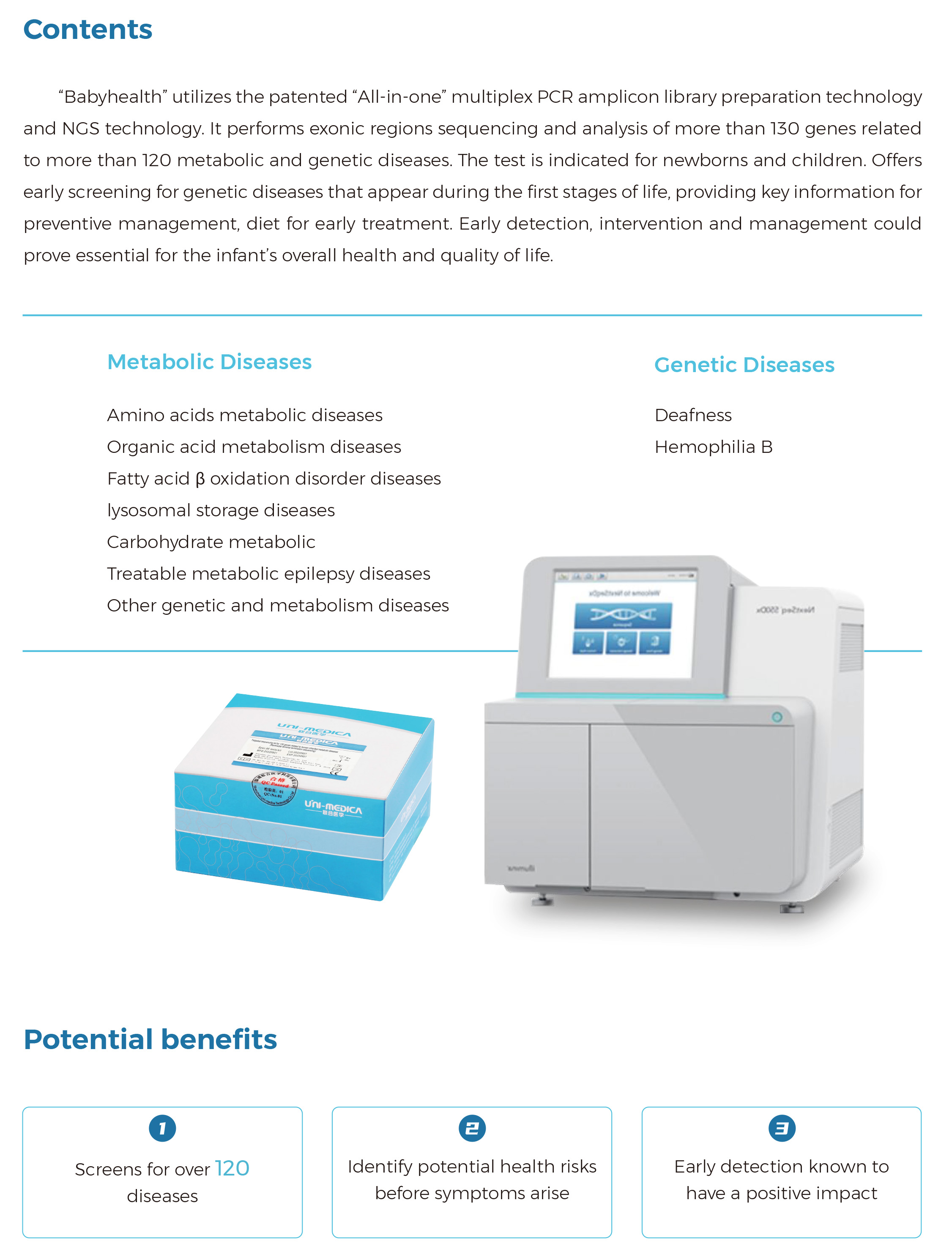
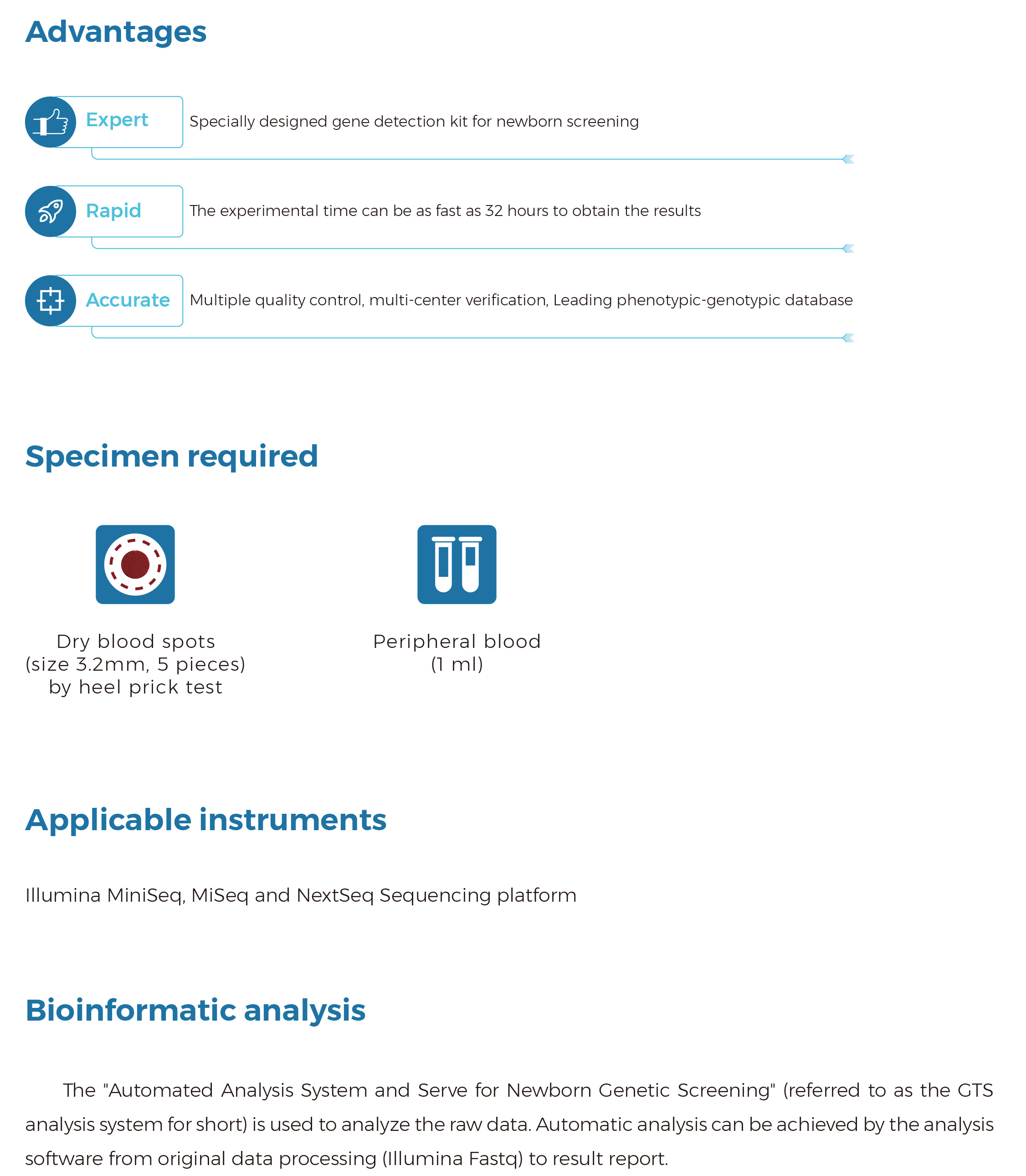
Uni-medica “Babyhealth” utilizes the patented “All-in-one” multiplex PCR amplicon library preparation technology and NGS technology. It performs exonic regions sequencing and analysis of more than 130 genes related to more than 120 metabolic and genetic diseases.
How far are rare diseases from you and me
Everyone has 5-10 defective genes. Once both parents have the same defective gene, it is possible to give birth to a baby with a rare disease. For the family, it is 100%.
.jpg)