



.png)













2023-03-09
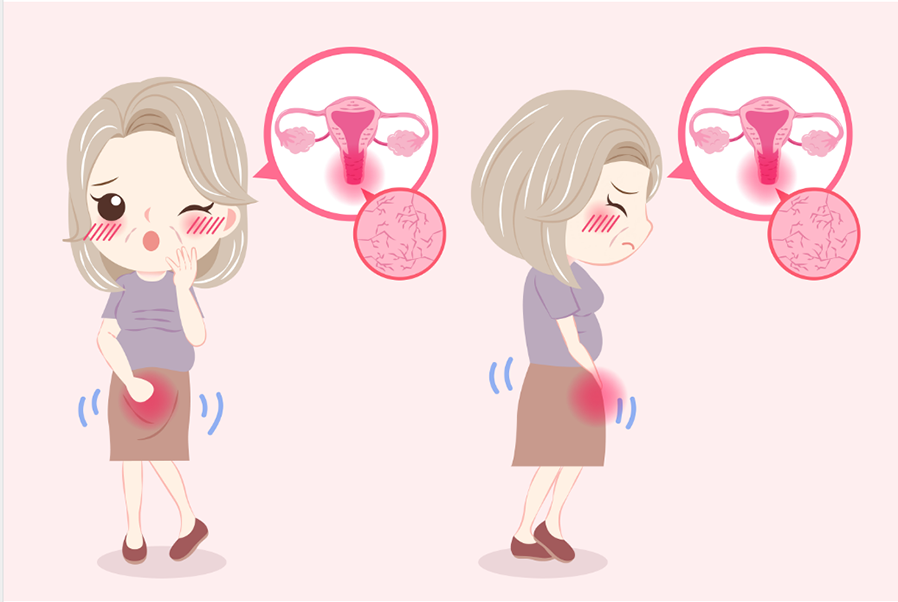
In daily life, many women will suffer from genital itching, increased discharge, burning pain, and peculiar smell. According to statistics, at least 75% of females have suffered from vaginitis, and 40%-45 % female population has a chance of relapse.
What is vaginitis?
Vaginitis, commonly referred to as vulvovaginitis, is a general term. The phrase refers to a wide range of conditions that inflame or infect the vagina or vulva.
Bacteria, viruses, or yeast infections are some of the potential causes of vaginitis. Additionally, it may be transferred between partners. Another contributing factor may be the absence of estrogen causing vaginal dryness.
.jpg)
What are the types of vaginitis?
Vaginitis is of the following three types of vaginitis;
Bacterial vaginosis (BV)
The most typical vaginal infection among women between the ages of 15 and 44 is bacterial vaginosis (BV). Bacterial vaginosis is linked to poor obstetric and gynecologic outcomes including premature birth, and hysterectomy, and may increase a woman’s vulnerability to STDs, particularly HIV.
Candida Vaginitis (CV)
Candidiasis, or yeast infections, occurs because of the overgrowth of candida in the vagina. Yeast is known scientifically as Candida. It is a fungus that inhabits nearly all environments, including your body. It is the second most typical kind of vaginal infection in the USA.
Trichomonas Vaginitis (TV)
Trichomoniasis is a parasite-based sexually transmitted illness. During sex, it is transmitted from one person to another. Many individuals are symptom-free. If you do experience symptoms, they usually appear between five and twenty-eight days following the infection.
Is Vaginitis an STD?
Vaginitis is a medical umbrella term for all vaginal infections caused by bacteria, yeast, or sexual intercourse. Thus, not all infections or inflammations can be categorized into STD as they are sexually transmitted, however, they are linked to sexual encounters. This is due to the change in the vaginal environment which makes adaptation of microbes easier in the vagina, thus leading to Vaginitis.
Additionally, not all vaginitis is caused by STD but the STD can lead to Vaginitides such as Gonorrhoea and Chlamydia are the causes of vaginitis due to STD.
How is vaginitis diagnosed?
Diagnosis of vaginitis usually involves the following steps:
The doctor may want to review your medical history to look for any vaginal or sexually transmitted infection
The doctor would perform a pelvic exam to detect any sort of inflammation or discharge from the vagina.
A sample of vaginal discharge is collected for lab testing in order to confirm the condition.
Very often a pH paper or stick is placed on the wall of your vagina to examine the vaginal pH.
Treatment of vaginitis depends on its causes and symptoms.
How is vaginitis treated?
The treatment for this condition depends on the causes and types of vaginitis. Bacterial Vaginosis (BV), the most common bacteria present in your vagina, can be treated with antibacterial and antifungal medicines and drugs like metronidazole or clindamycin. The doctor usually prescribes these to women who show symptoms of BV. During the course of this treatment women are advised not to make sexual intercourse.
Medicines and gels like tropical creams, fluconazole, miconazole etc are exclusively made to treat yeast infections. Sexually transmitted infections such as Trichomoniasis can be cured with a single dose of antibiotic medicine. In order to stop the infection from spreading and keep it away, both the partners (male and female) need to undergo this treatment. Estrogen is very effective in curing vaginal atrophy.
Other ways of treating this condition includes: cortisone cream to cure irritation in the vagina; if the inflammation results from an allergic reaction antihistamines are used.
.jpg)